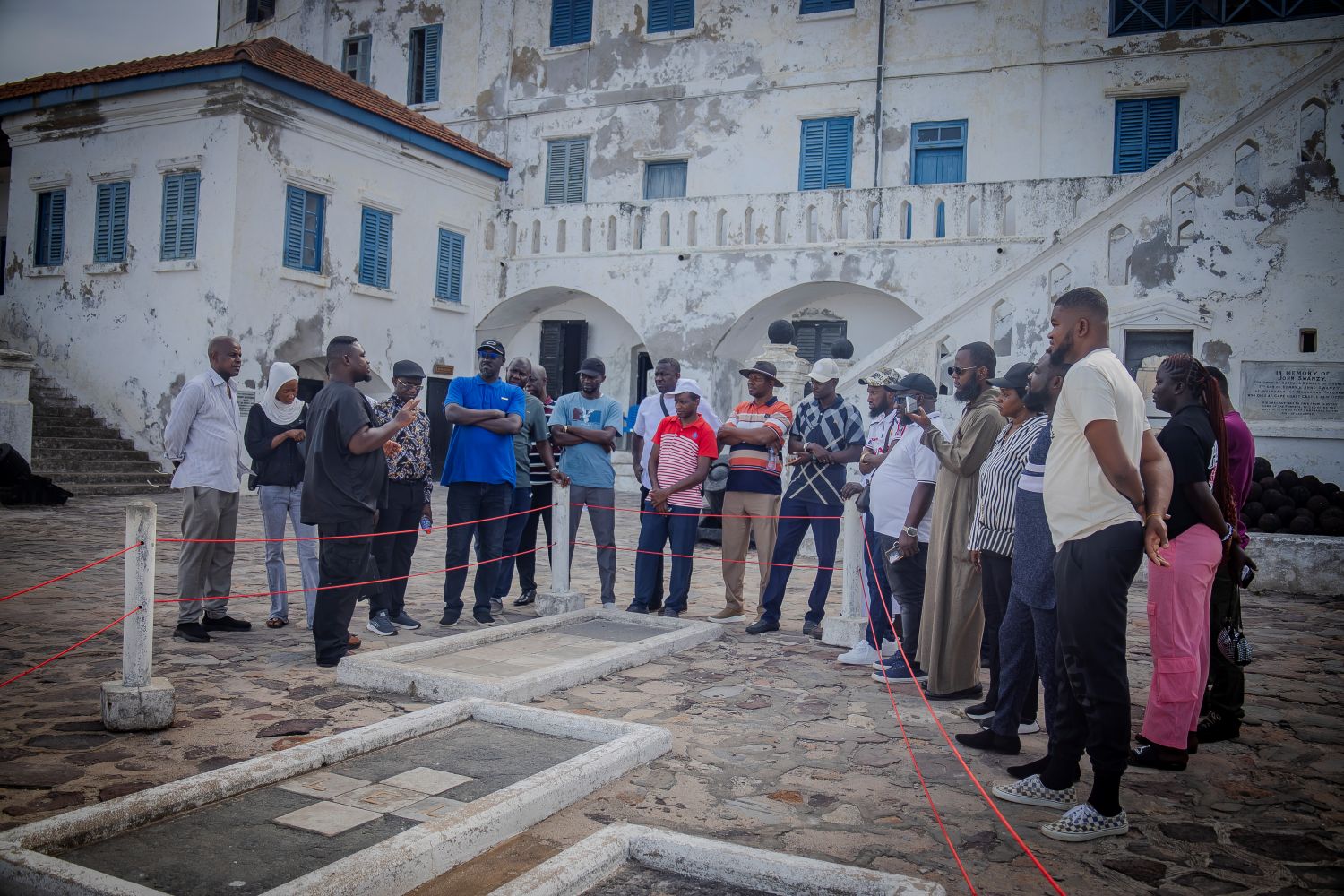
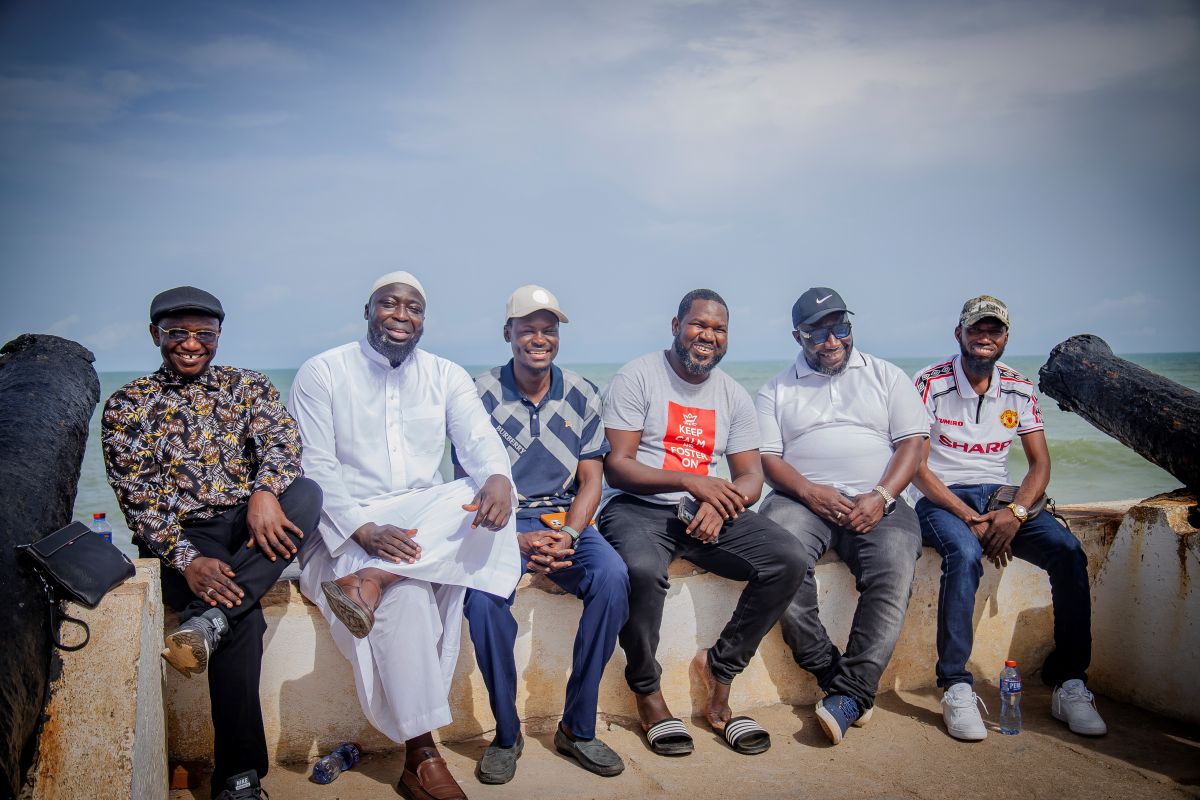
Some members of the National Assembly of The Gambia spent a day at two of Ghana’s most visited sites as part of their ten-day capacity-enhancing programme at Heritage Christian University (HCU).
The Vice President and Provost of HCU joined the group for the trip to Kakum National Park and Cape Coast Castle. The day out was one of several activities planned to support the delegates’ sharpening their leadership and public finance skills during their time in Ghana with HCU.
Time at Kakum National Park
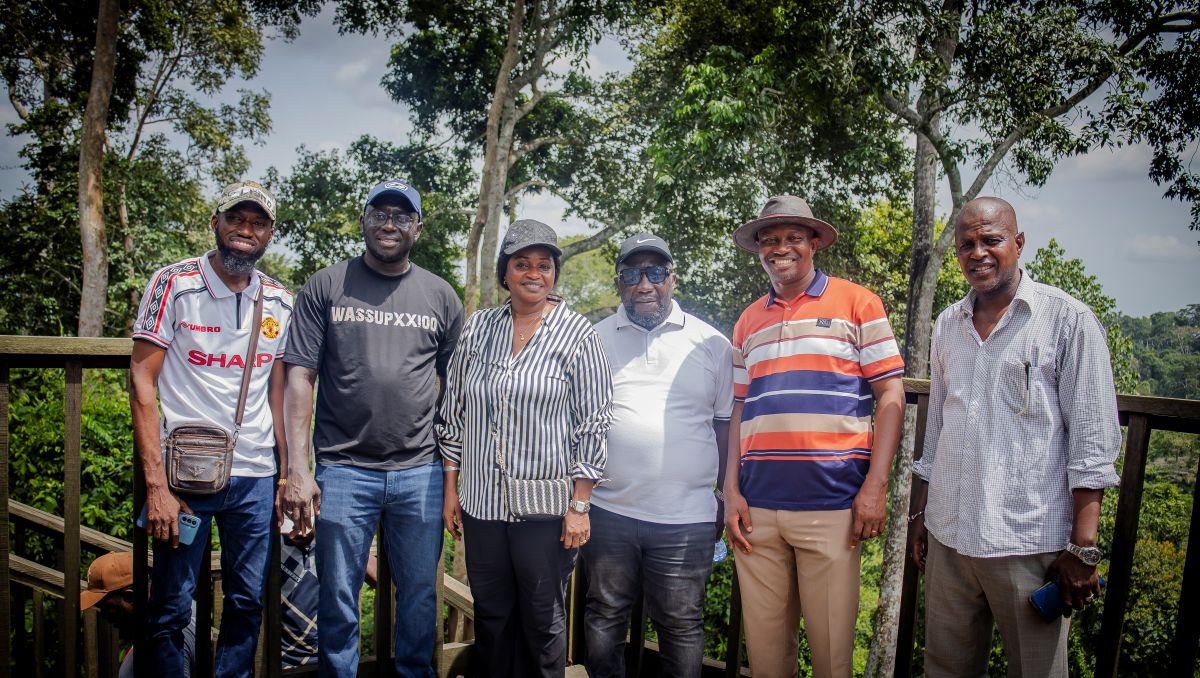
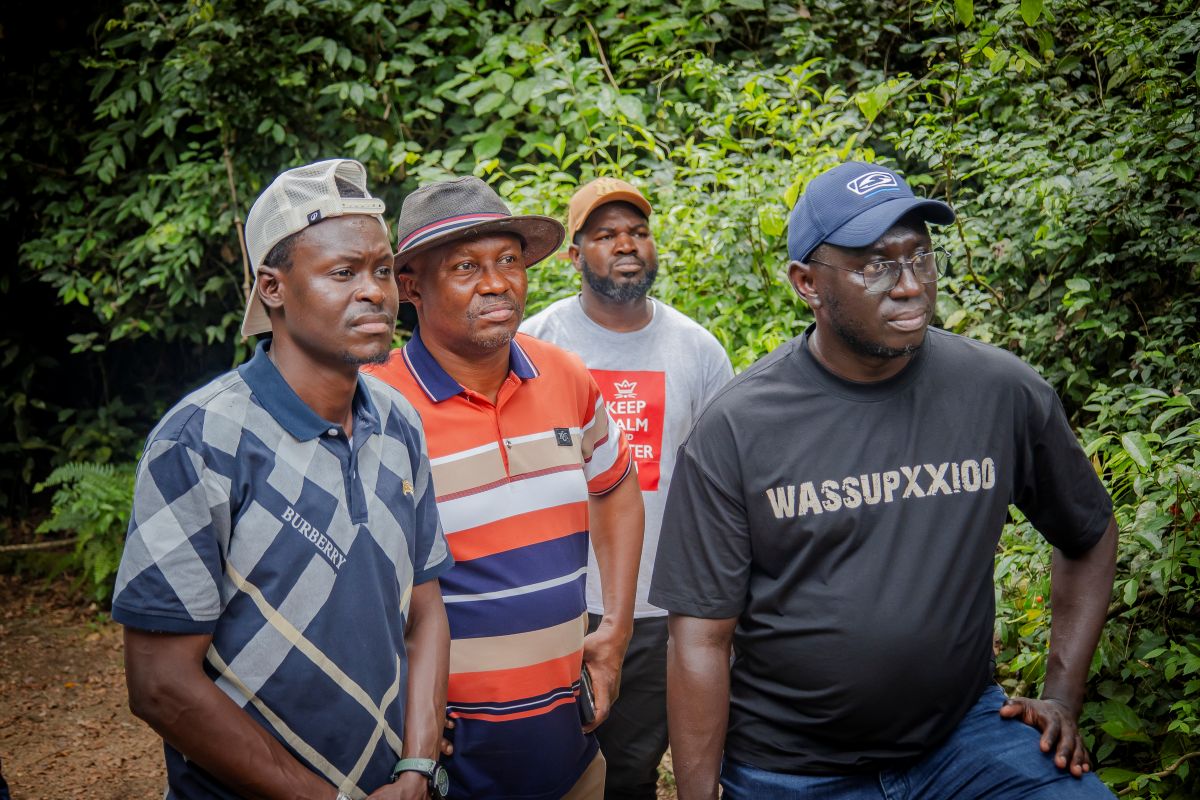
Walking through the forest floor gave the delegates a close look at plant life, towering trees, and the sounds of the rainforest around them. Rangers pointed out different tree species and explained the role each plays in keeping the forest healthy.
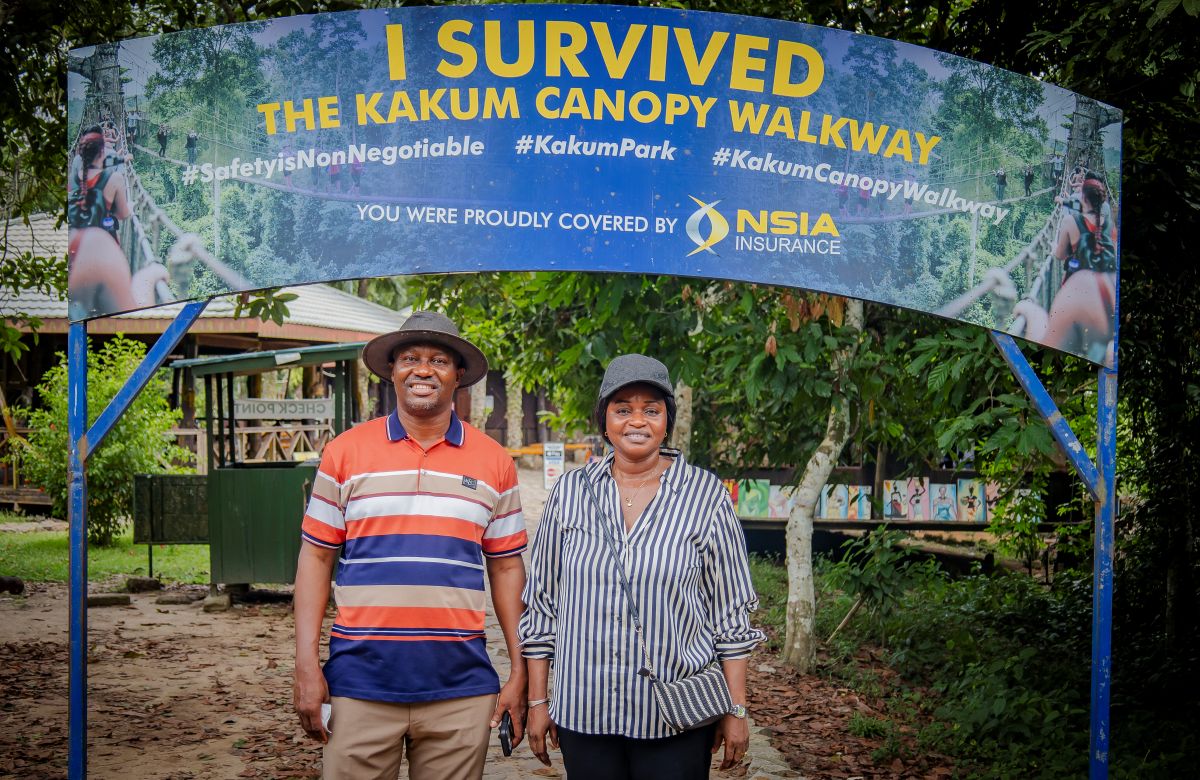
The group then made their way to the canopy walkway – a set of seven rope bridges connected between tall trees, hanging up to 40 metres above the ground. Crossing the bridges one at a time, the delegates could see the forest spreading out in every direction below them. For many, it was their first time on a walkway of that kind.
Rangers also spoke to the group about how poaching and illegal logging threaten the park, and how local communities help monitor and protect it. For delegates who handle environment and land policy in the Gambian Assembly, the conversation was directly relevant to their work back home.
Time at Cape Coast Castle
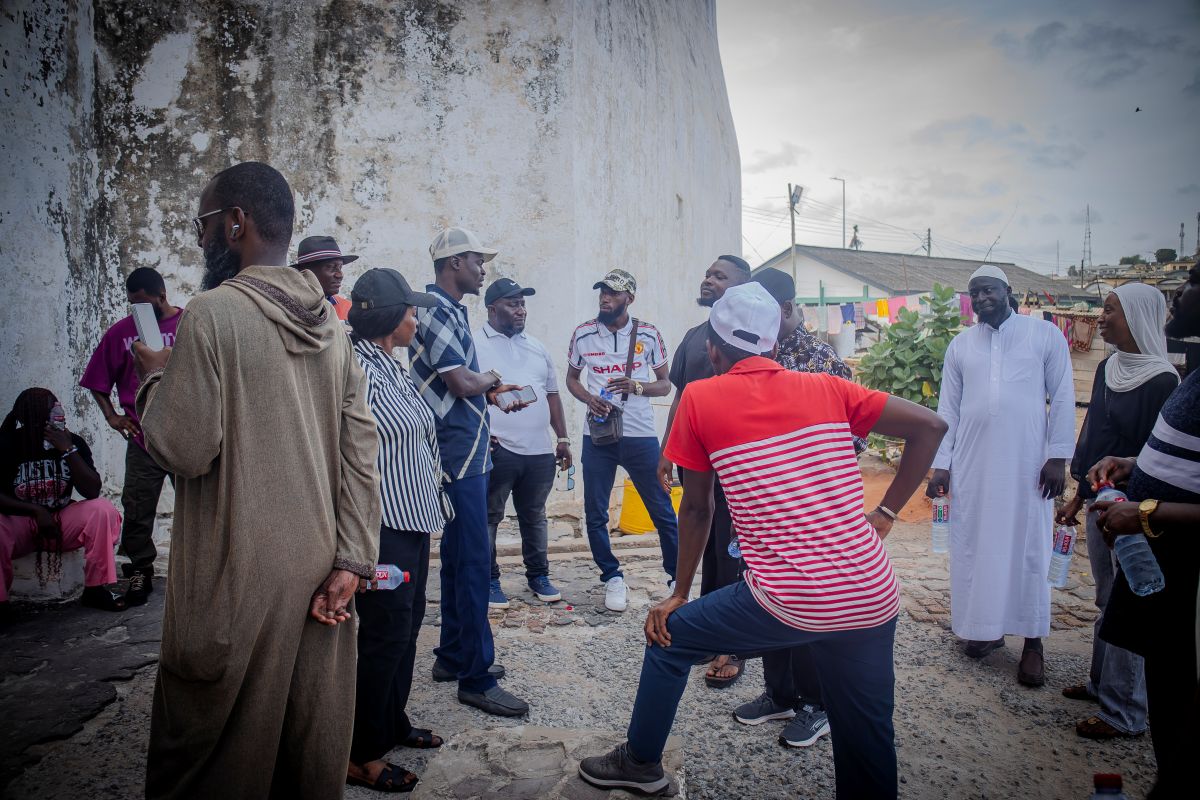
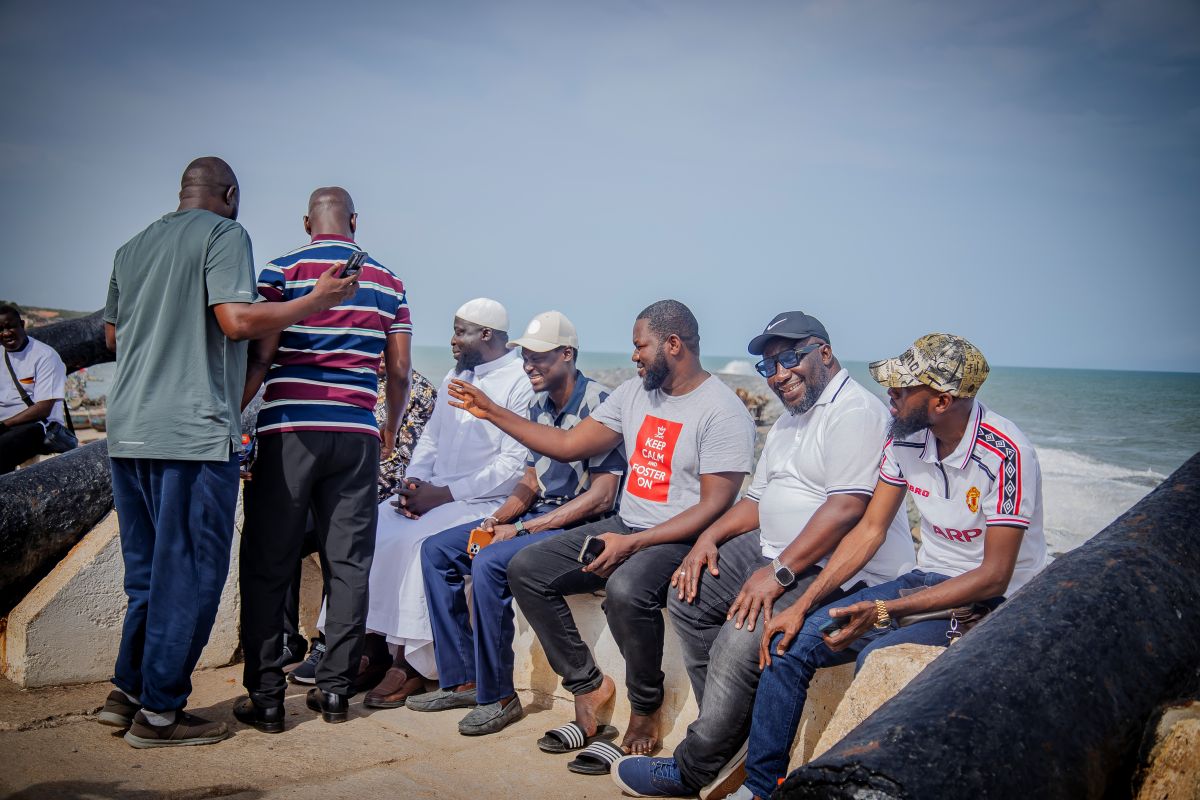
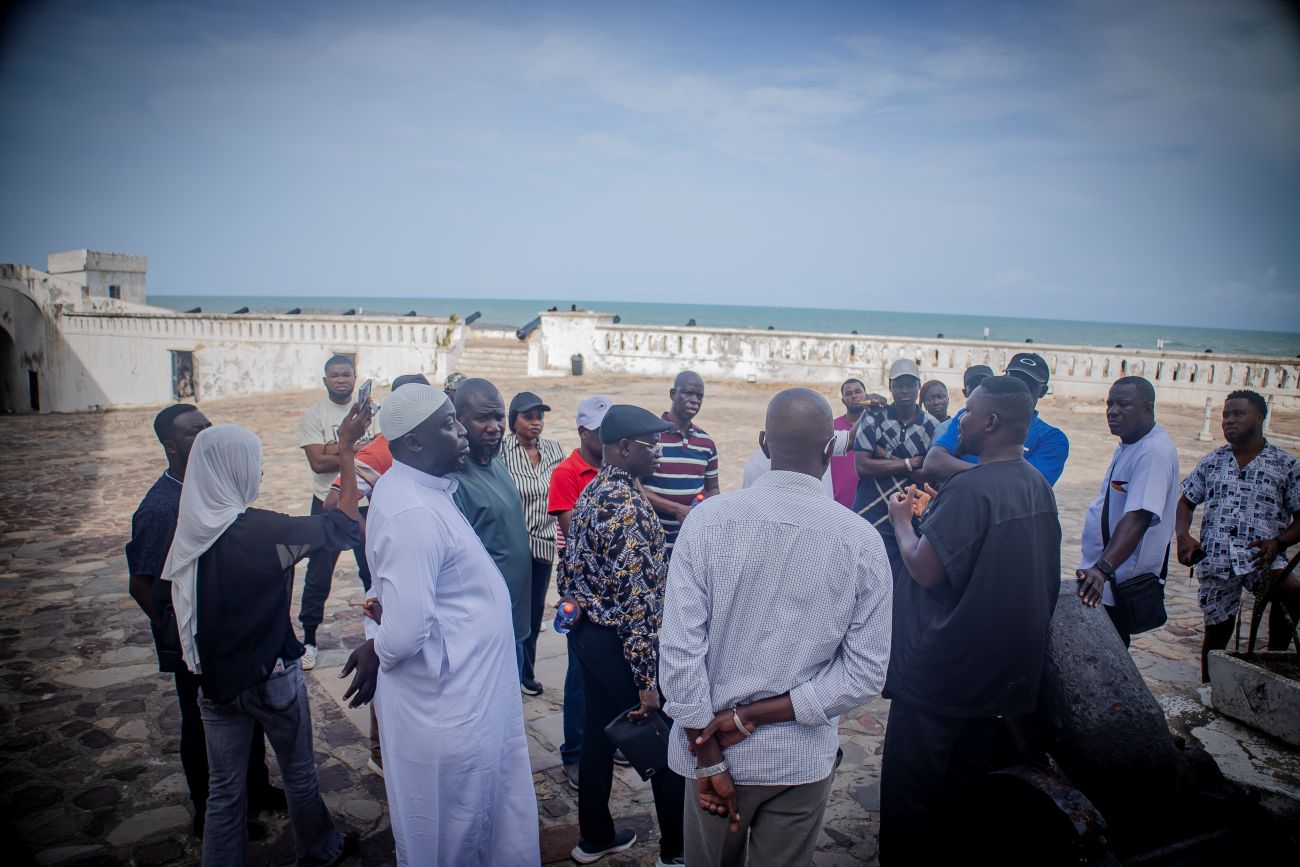
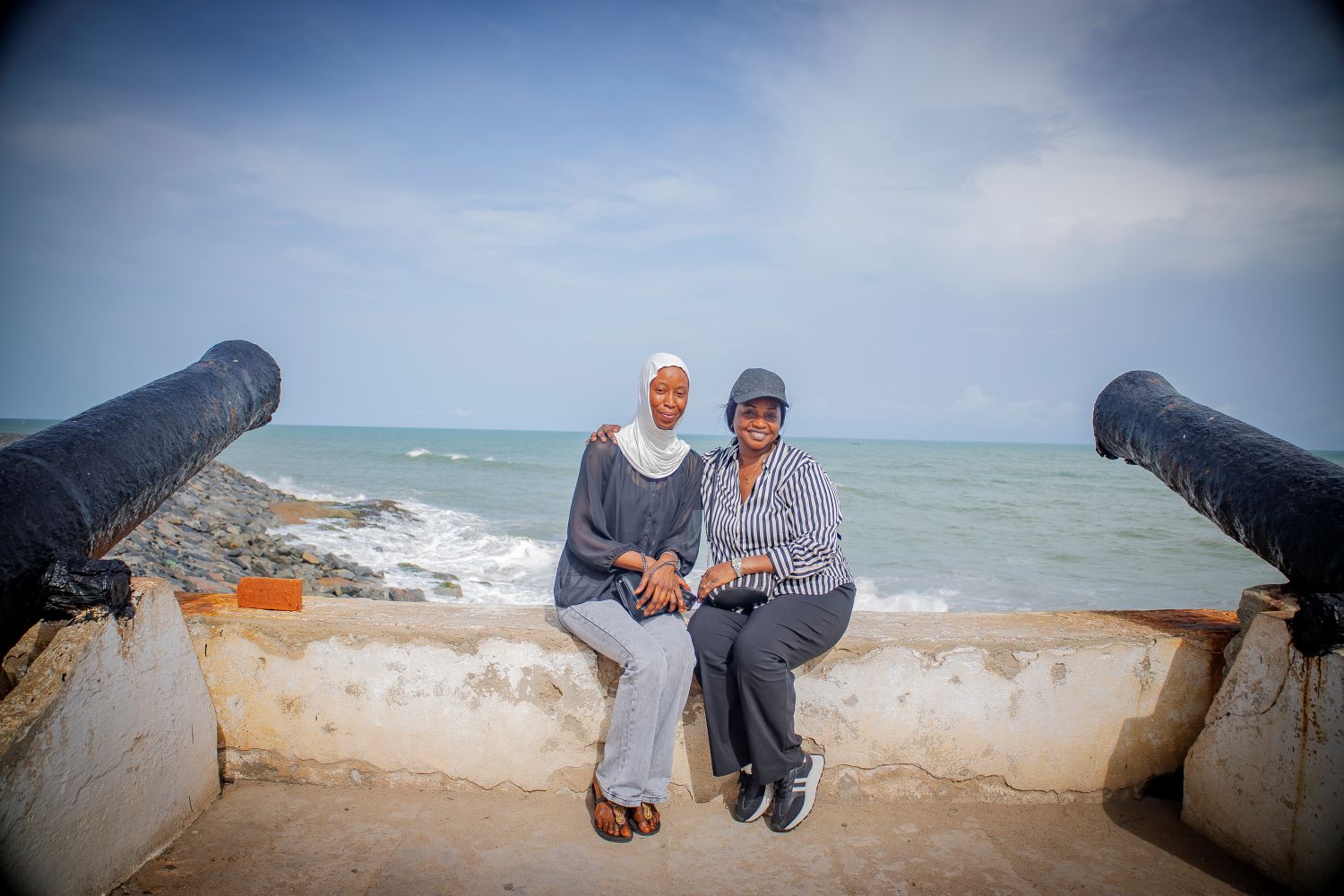
The group travelled to Cape Coast Castle, a large fort sitting on the edge of the Atlantic Ocean. A guide led them through the site, stopping at key sections to explain what each space was used for.
The male and female dungeons were among the places they visited. These were underground holding areas where enslaved men and women were kept, sometimes for months, in very poor conditions before being shipped across the Atlantic Ocean. The dungeons are dark and confined, and walking through them gives visitors a direct sense of what those conditions were like.
The group also visited the condemned cell, a small, sealed room with no light or ventilation where enslaved people who resisted or caused trouble were locked away, often until they died.
One of the most visited parts of the castle is the Door of No Return – a gate that opens directly to the sea. It was the last point of contact enslaved people had with African soil before they were loaded onto ships.
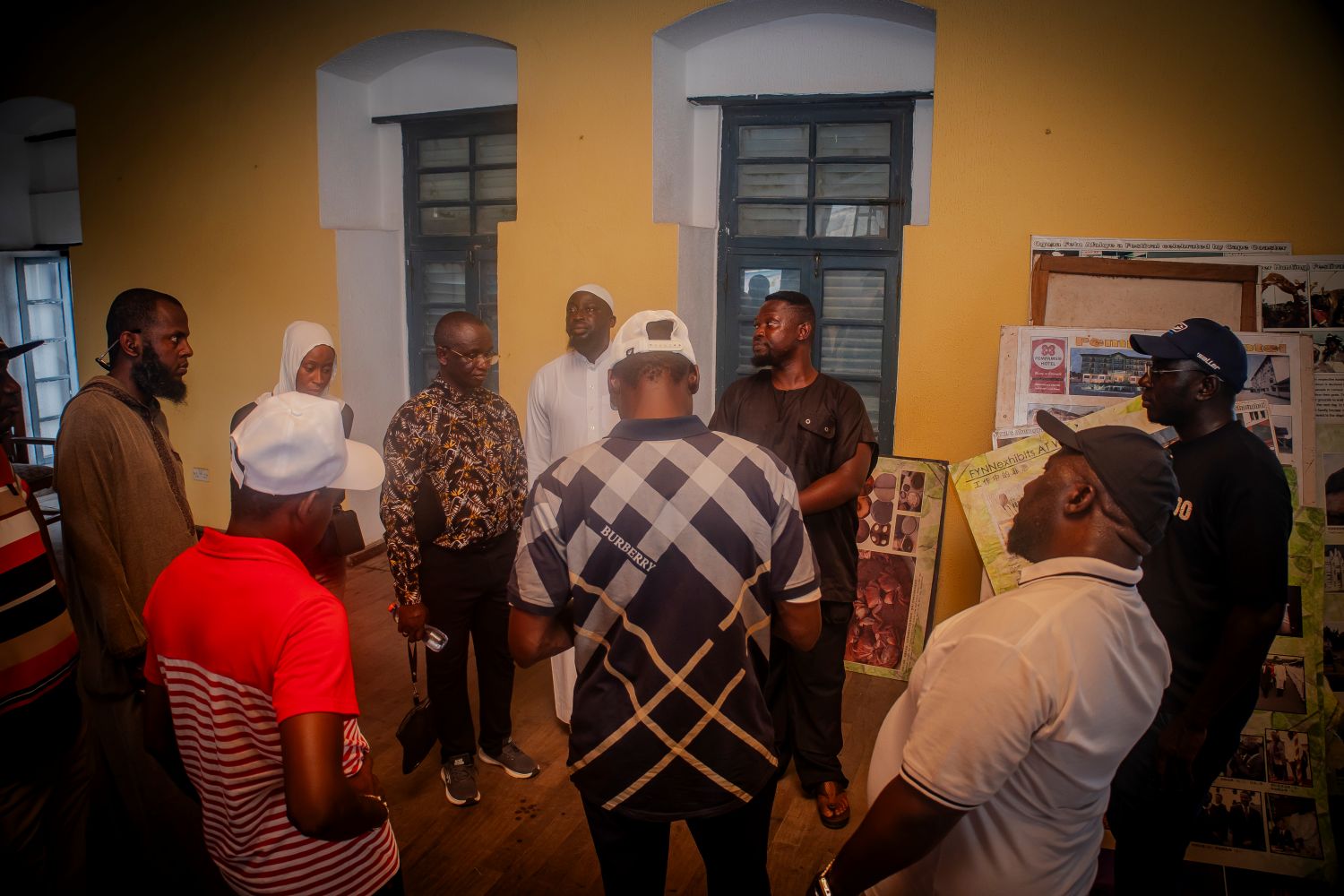
The visit prompted conversations among the group about history, identity, and what it means to lead people who carry stories like these.
Part of a bigger learning experience
The ten-day programme at Heritage Christian University was designed for senior legislators. It covers topics such as ethical leadership, governance, productivity, use of Artificial Intelligence for legislative processes, and public financial management for non-finance leaders.
The Gambian delegation returned to Banjul with practical knowledge and new perspectives they can apply in their work at the National Assembly.